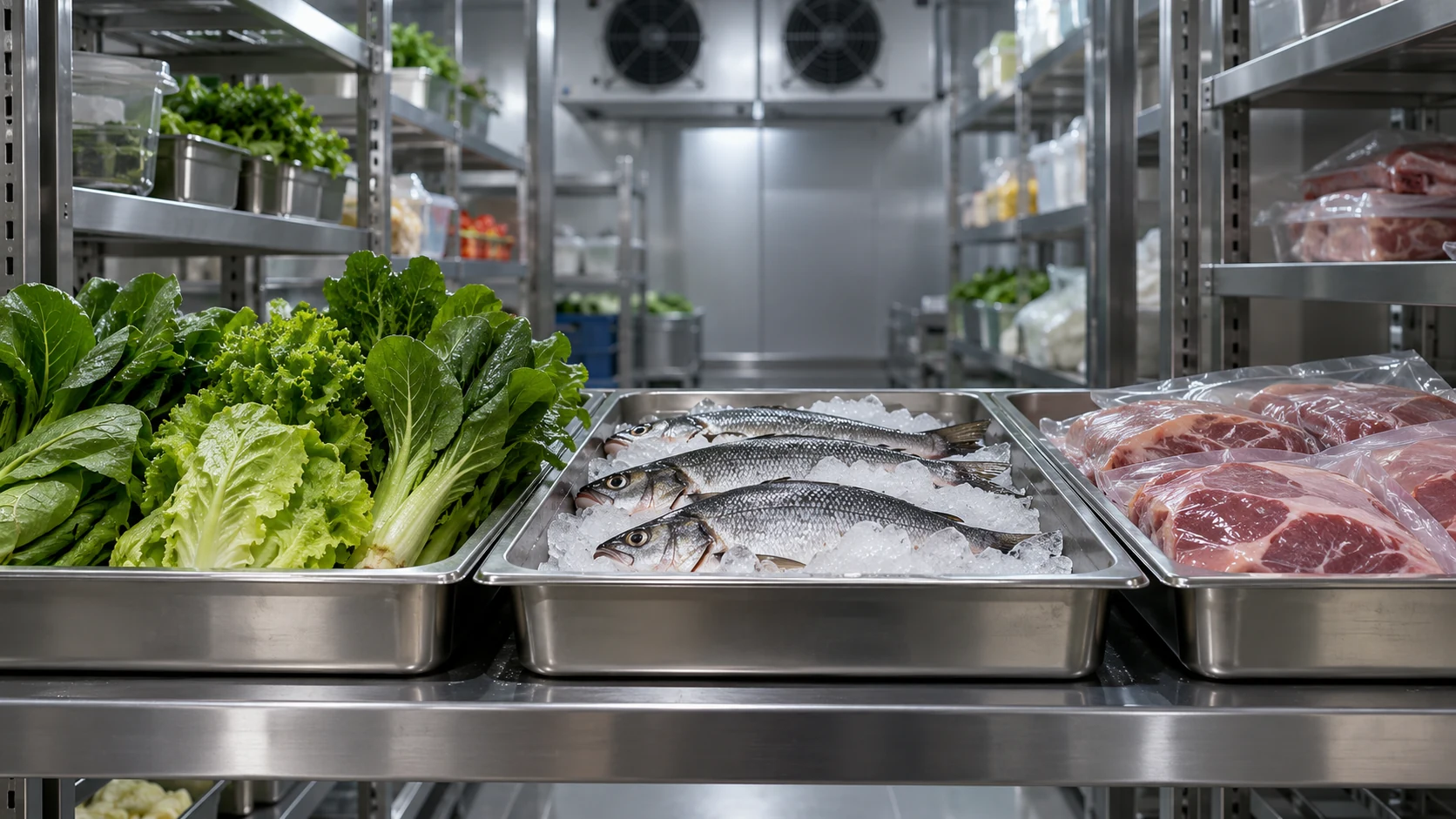
Different foods
Different details
- Fruit and VegetablesConsider appearance, firmness or texture, and the portions rejected before sale or processing, taking produce type and initial quality into account.
- MeatFocus on condition, color, texture, and liquid released during storage, alongside packaging methods and hygiene practices.
- SeafoodAssess appearance, texture, and quality against your purchasing or preparation criteria. Do not judge safety from appearance alone.
- Prepared IngredientsCut, portioned, or prepared ingredients have different requirements from whole foods. Clearly define packaging methods and usage schedules.
Before storage
During storage
Before use
- Before StorageCheck initial quality and ingredient consistency. Record the receiving date, packaging format, and condition when the food enters storage.
- During StorageMaintain temperature control and hygiene. Record access frequency, stock movements, and any conditions that may change.
- Before Sale or ProductionCheck against product quality criteria and record usable quantities, rejected portions, and any changes observed.
Assess quality
for its intended use
Retailers may focus on what customers see, processors on the quantity that passes sorting, and kitchens on quality during preparation. Assessment criteria should therefore reflect the final stage of use.
Track condition, color, texture, and weight consistently at defined intervals. Record initial quality and storage conditions so the information can inform planning.
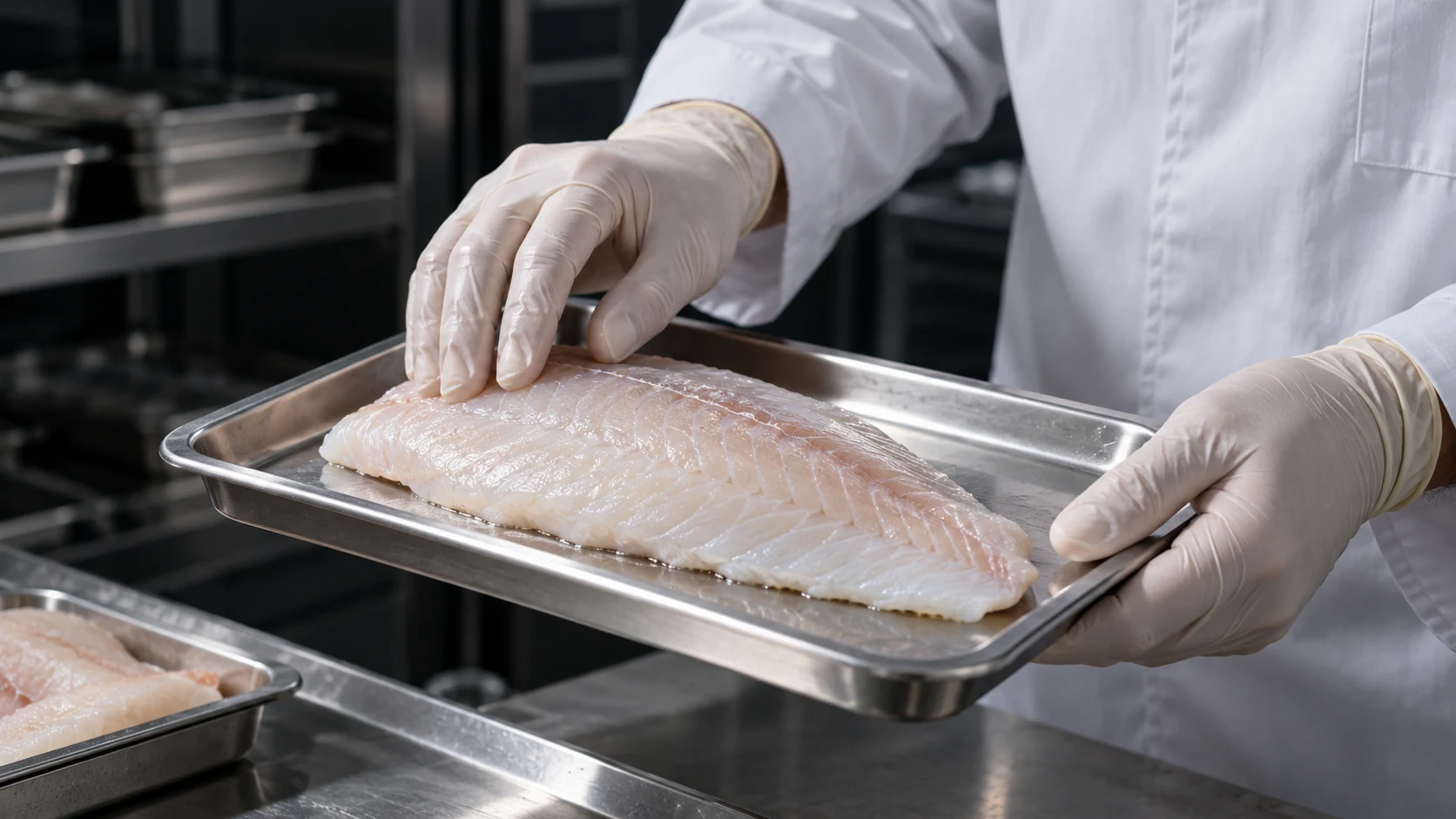
The details you see
before handover
Appearance, texture, and rejected portions help connect storage quality with business standards. Use the same criteria for every assessment.
Frequently Asked Questions
Can it be used with prepared foods?
This should be considered product by product, because cutting, portioning, cooking, and packaging create different conditions. Discuss the food and your processes with the team before planning its use.
Can we immediately extend the storage period?
Installation alone is not a basis for extending storage. Storage periods must account for food type, initial quality, operating conditions, and relevant safety criteria.
Which food should we assess first?
Choose a product with a clear quality issue, a storage process you can document, and criteria for sale or production. This helps make the assessment relevant to your operation.
Preserving quality
for your business
Talk to us about using QSQEAR
+66 92 253 6526For producers, distributors, restaurants, and businesses that value ingredient quality.