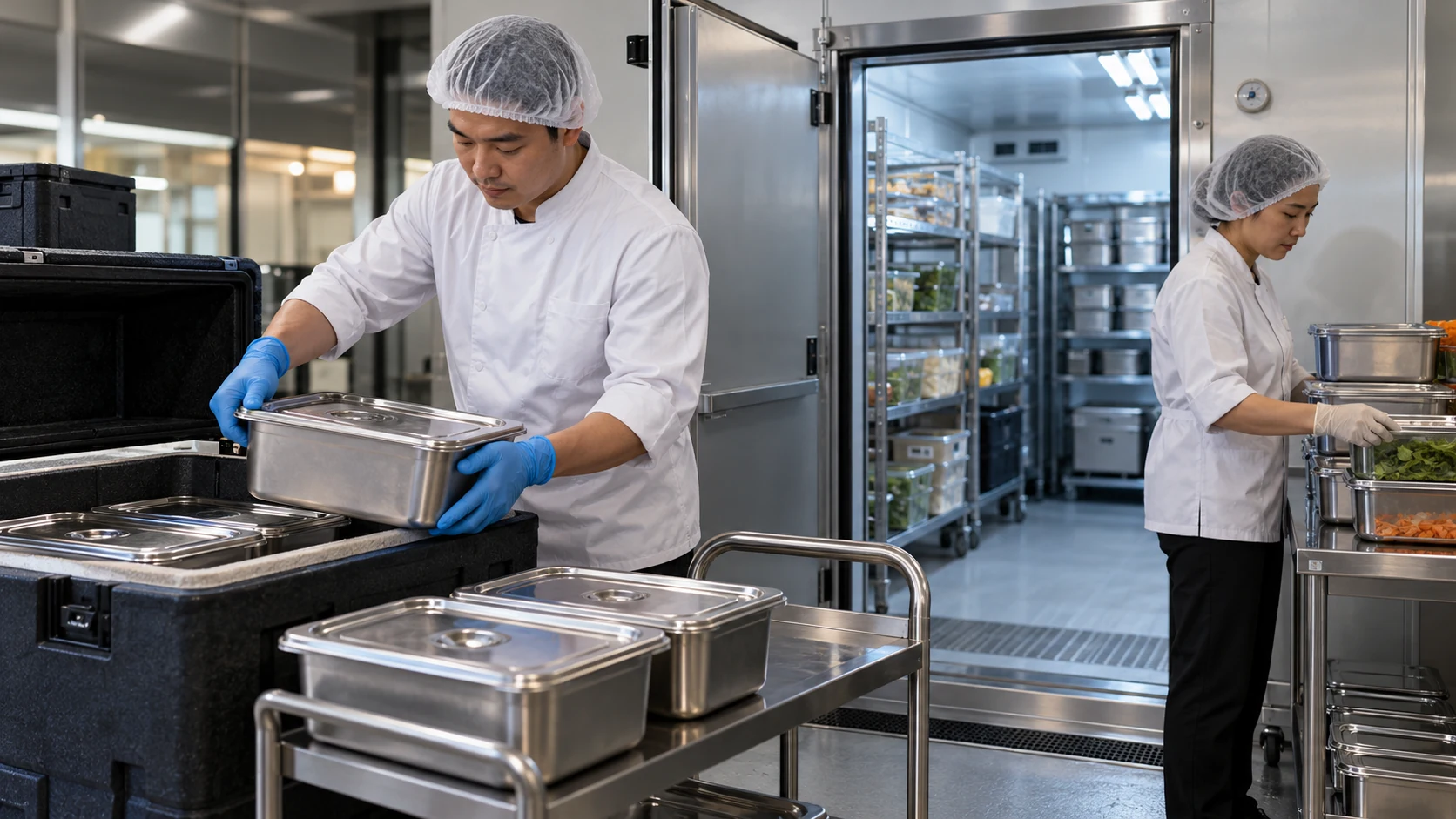
Producers and Processors
Operational priorities
Care for ingredients awaiting production and for the quality of frozen food before it moves to the next process.
What to assess
Consider consistency in food condition, texture, and the quantity that meets production-line requirements.
Distributors
Operational priorities
Align storage with receiving and dispatch schedules while maintaining the quality standards your customers expect.
What to assess
Track product condition before dispatch, rejected quantities, and any changing conditions while products await shipment.
Warehousing and Cold Chain
Operational priorities
Maintain consistent food handling from receiving to storage and onward transfer within temperature-controlled systems.
What to assess
Consider handover points, product placement, and stock movements. The use of QSQEAR should be assessed against the actual space and processes.
Restaurants and Central Kitchens
Operational priorities
Prepare ingredients around kitchen schedules, preserve post-thaw quality, and track the quantity ready for cooking or portioning.
What to assess
Assess moisture retention, texture, weight before cooking, and consistency in preparation.
Food Retail
Operational priorities
Preserve quality during storage before sale, with stock rotation aligned to sales.
What to assess
Use clear product quality criteria and check condition before moving food to the sales floor. Do not determine the sales period from appearance alone.
Start with one priority
that matters to your business
Choose a clearly defined issue, such as quality before dispatch, texture after freezing, or moisture loss during thawing. Then define the product and process stage to assess.
A clear scope helps operating teams collect consistent information and apply the findings to decisions in their own business.
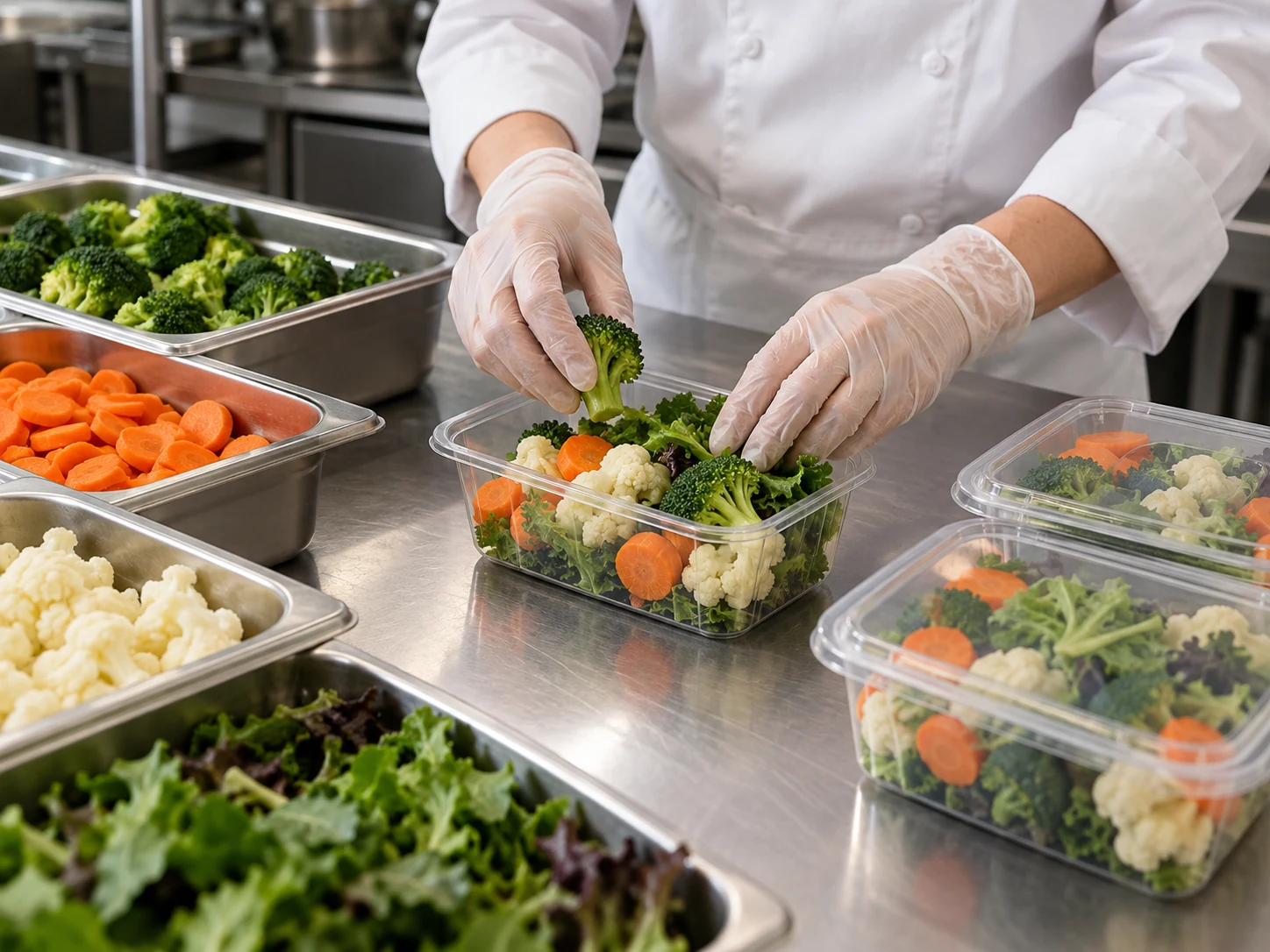
Start where
quality affects your work
Choose the product and process stage to focus on, then define the quality each team needs to pass on, from receiving and storage to preparation for use.
Frequently Asked Questions
Do we need to start with every process at once?
You can start with the stage where the need is clearest, then consider how it connects with the stages before and after it to define an appropriate scope.
What information helps assess our operation?
Food type, quantity, packaging format, storage or freezing systems, thawing methods, operating schedules, and the quality issues you are seeing.
Is there a fixed return on investment for every business?
One figure should not be applied to every business. Assess value using quality data, usable quantities, and costs from your own operation.
Preserving quality
for your business
Talk to us about using QSQEAR
+66 92 253 6526For producers, distributors, restaurants, and businesses that value ingredient quality.